Fragrance notes and scent families explained
A perfume doesn’t smell the same all day. Once you understand notes and families, finding a new favourite gets easier.

Short answer: A perfume develops in three layers: top notes (the first minutes), heart notes (a few hours) and base notes (what lingers for hours). Fragrances with a similar character fall into a family: fresh, floral, woody, amber, gourmand or aromatic. If you like one scent, there’s a good chance you’ll find more in the same family.
The fragrance pyramid
Perfumers often describe a fragrance as a pyramid with three layers. They come forward one after another, because light materials evaporate faster than heavy ones. The times below are rough estimates: skin, temperature and concentration all make a big difference.
Top notes: the first impression
What you smell in the first 5–30 minutes. Often citrus such as bergamot and lemon, fresh fruit or light herbs. They’re bright and fleeting.
Heart notes: the character
After fifteen minutes to half an hour the heart comes through, and it leads for roughly 2–4 hours. This is where you often find flowers (rose, jasmine, iris), spices or green notes.
Base notes: what stays
Woods, amber, musk, vanilla and resins evaporate slowly. You notice them from about an hour in, and often for another 4–8 hours or more; on clothes sometimes until the next day. How long a scent lasts overall also depends on the concentration: an eau de parfum usually contains more fragrance oil than an eau de toilette. More on that in how to make perfume last longer.
Common notes explained
You’ll see these names again and again:
- Bergamot: a citrus fruit from southern Italy. Fresh, a little bitter and floral.
- Citrus: lemon, orange, mandarin, grapefruit. Light and cheerful, but quickly gone.
- Lavender: fresh, herbal and clean. The heart of many classic men’s fragrances.
- Rose: from fresh and green to honeyed and full.
- Jasmine: a rich white flower, sweet and sometimes a bit heady.
- Iris: comes from the root of the iris, not the flower. Powdery, soft, slightly earthy.
- Vetiver: the root of a grass. Earthy, dry, sometimes smoky.
- Sandalwood: creamy, soft and warm wood.
- Cedar: dry, clean wood, a bit like pencil shavings.
- Patchouli: earthy, dark and slightly sweet.
- Vanilla: sweet and warm. In perfume usually (partly) as vanillin.
- Tonka bean: think hay, almond and vanilla.
- Amber and ambergris: in perfume, ‘amber’ is a warm accord of resins, vanilla and labdanum, not fossil resin. Ambergris originally comes from the sperm whale; today perfumers almost always use a recreated accord.
- Musk: soft, clean, skin-like. Almost always synthetic; animal musk is no longer used.
- Oud: resin from infected agarwood. Dark, woody and sometimes animalic. In many fragrances it’s an accord.
- Ambroxan: a synthetic material with an ambergris-like, mineral and woody effect. It features in Dior Sauvage Eau de Toilette, among others.
The six scent families
On Eaulie we place well-known fragrances in six families, but only when the family is widely agreed; if in doubt, we leave it out. On the scent families page you can see the fragrances in each family, for her, for him and unisex.
Fresh
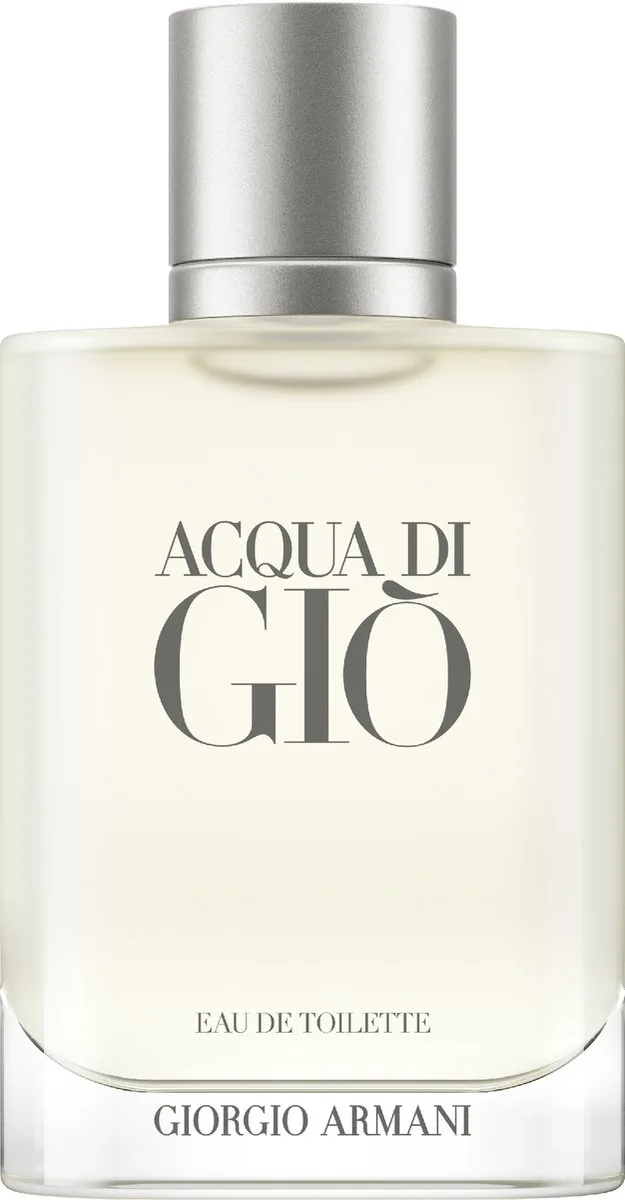
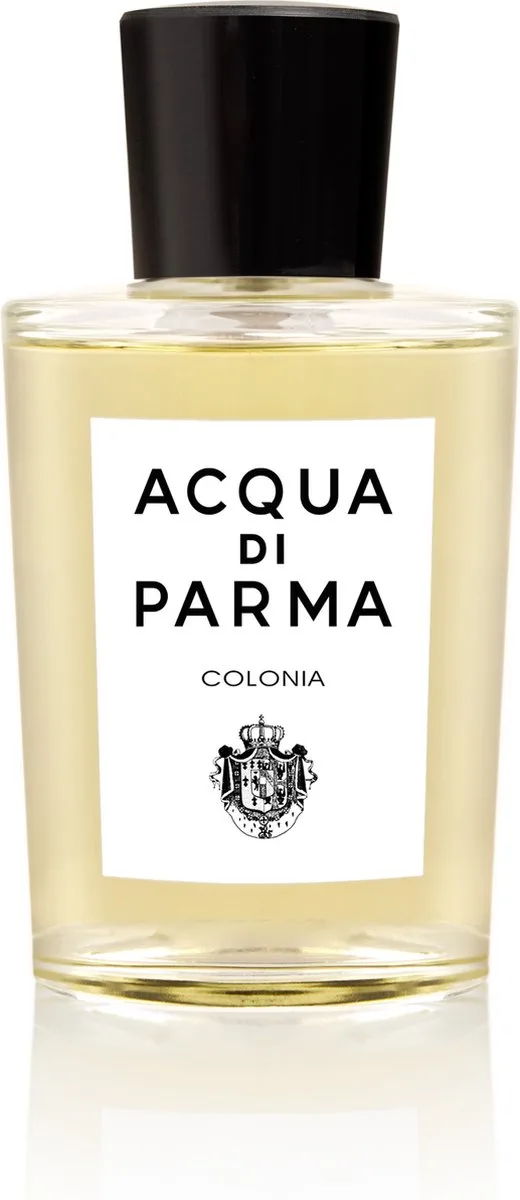
Fresh smells of citrus, sea air and green leaves. A well-known example is Armani Acqua di Gio Eau de Toilette, with citrus and a watery, ‘salty’ character. Acqua di Parma Colonia belongs here too, a classic eau de cologne.
Fresh and citrus
- giorgio armani · edt · 50 ml · men
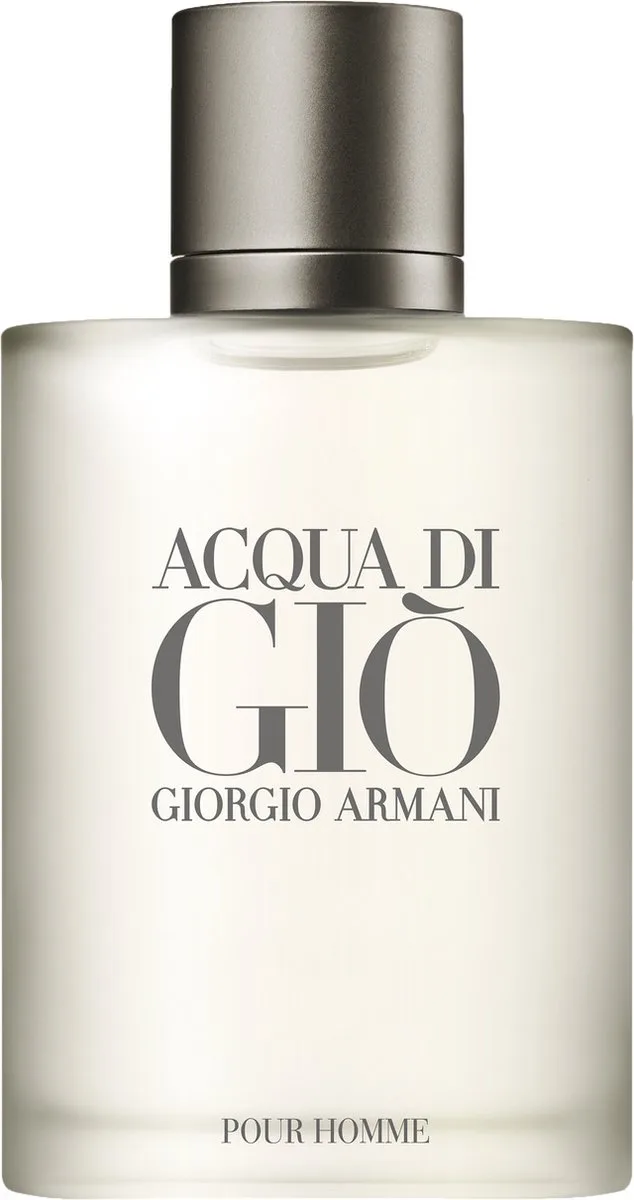
Acqua di Gio
From €61.50
€123 / 100 ml · 6 offers
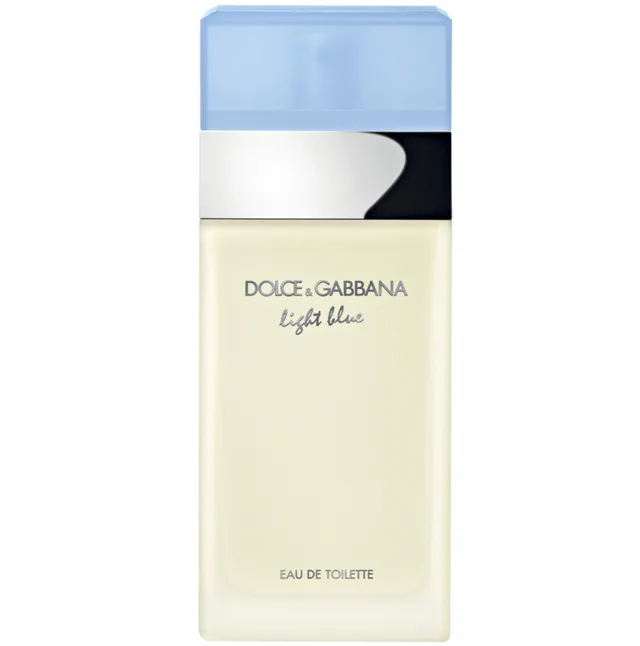
- dolce&gabbana · edt · 50 ml · women
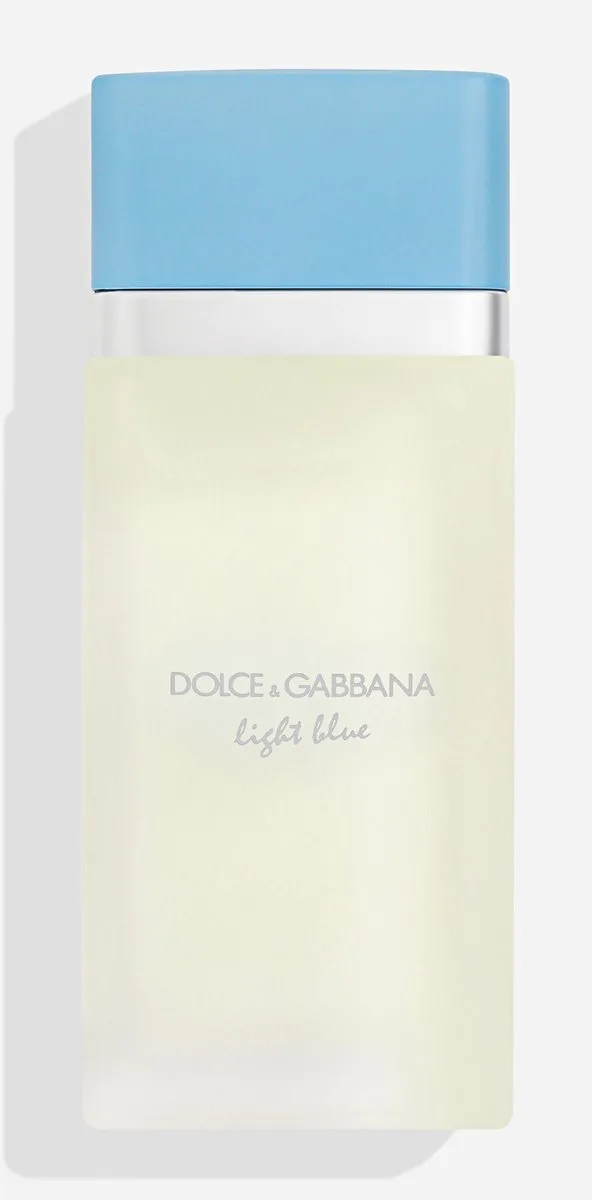
Light Blue
From €45.50
€91 / 100 ml · 5 offers
- acqua di parma · edc · unisex
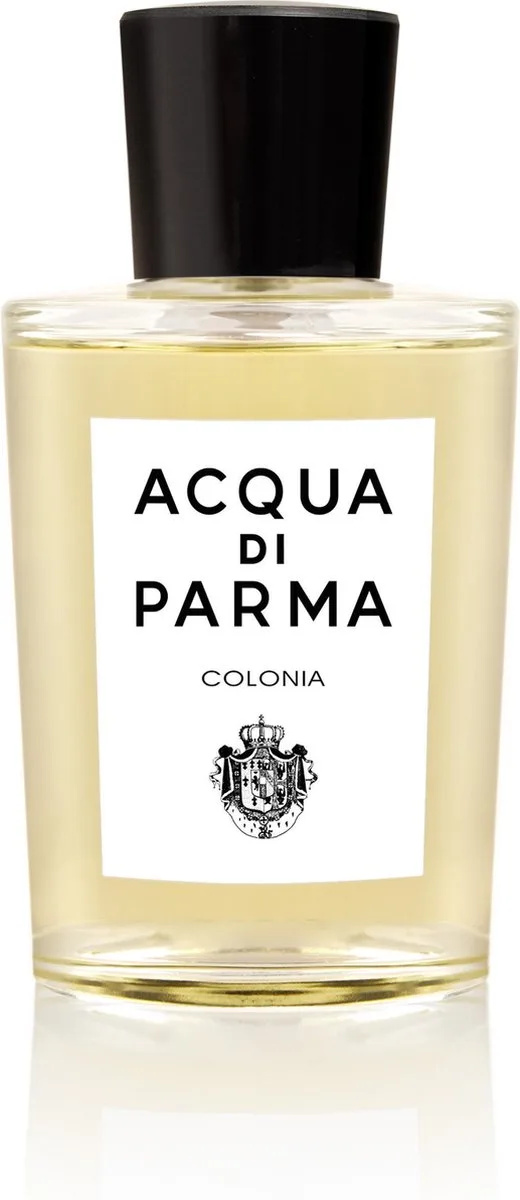
Colonia
Floral
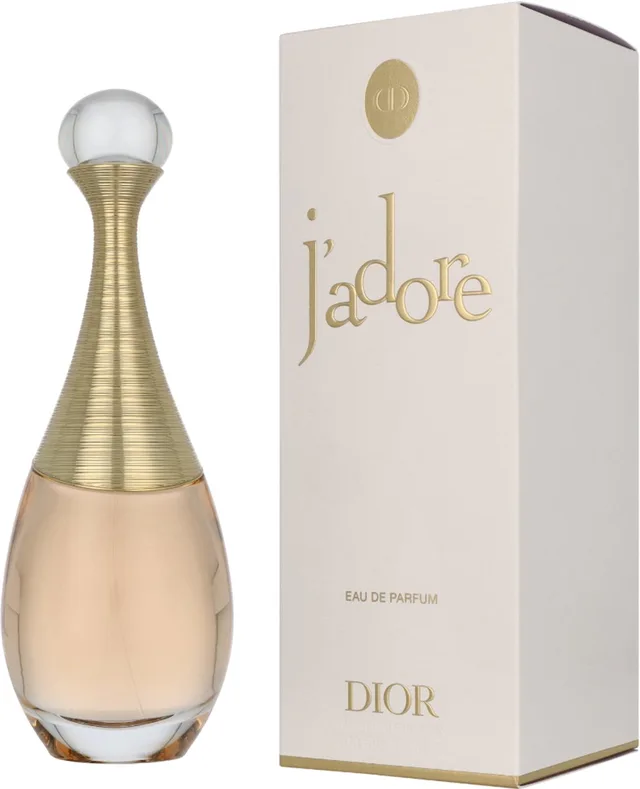
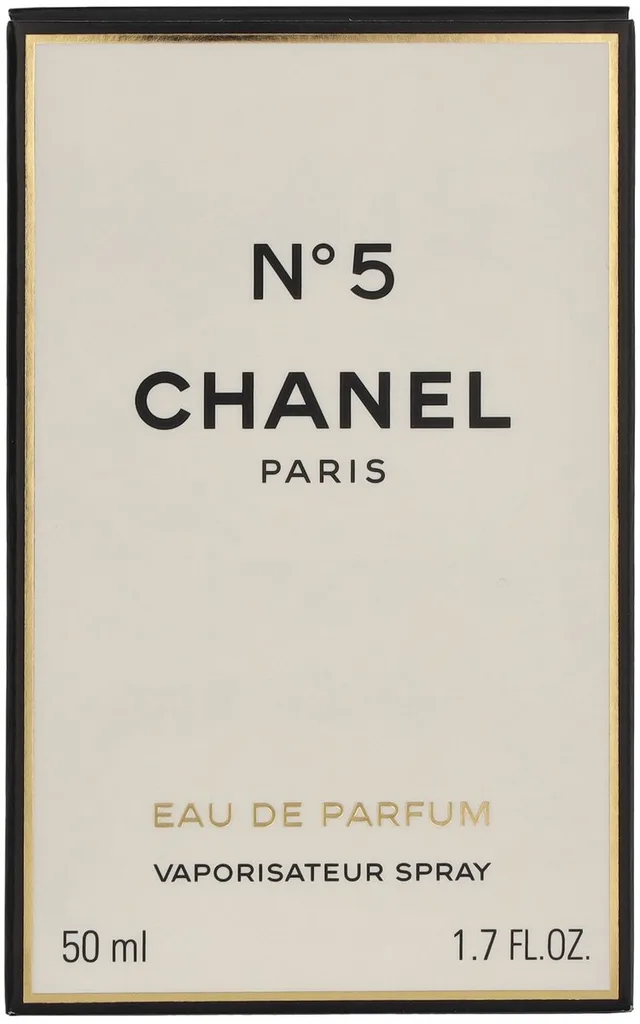
Floral is the largest family among women’s fragrances: rose, jasmine, iris or white flowers. Dior J’adore Eau de Parfum is a well-known example, as is Chanel N°5 Eau de Parfum, which pairs flowers with aldehydes for a soapy, sparkling feel.
Floral
- dior · edp · 100 ml · women
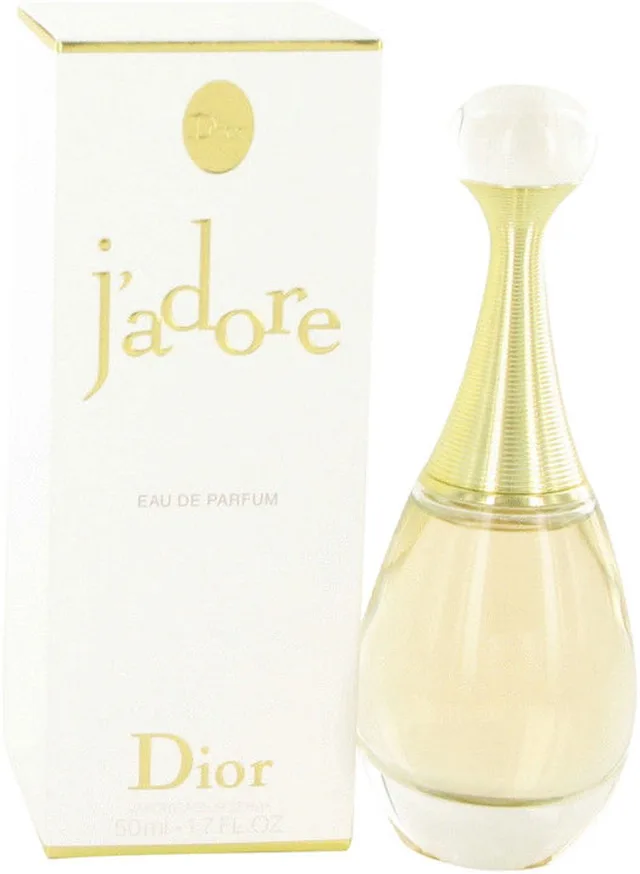
J'adore
From €104.93
€104.93 / 100 ml · 2 offers
- chanel · edp · 100 ml · women
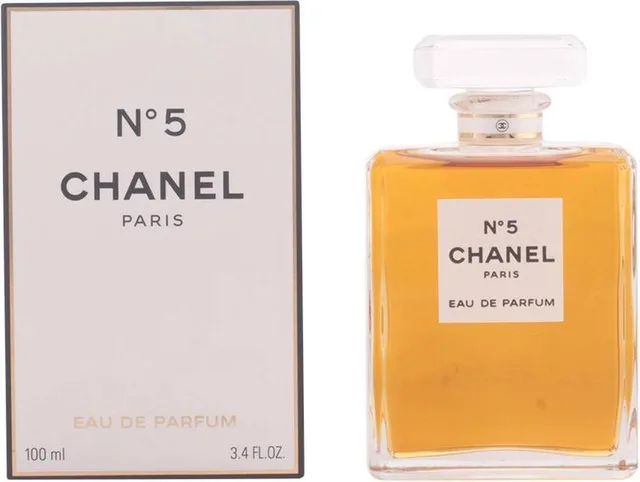
Nº 5 flacon
€113
€113 / 100 ml · 1 offer
- chanel · edp · 35 ml · women
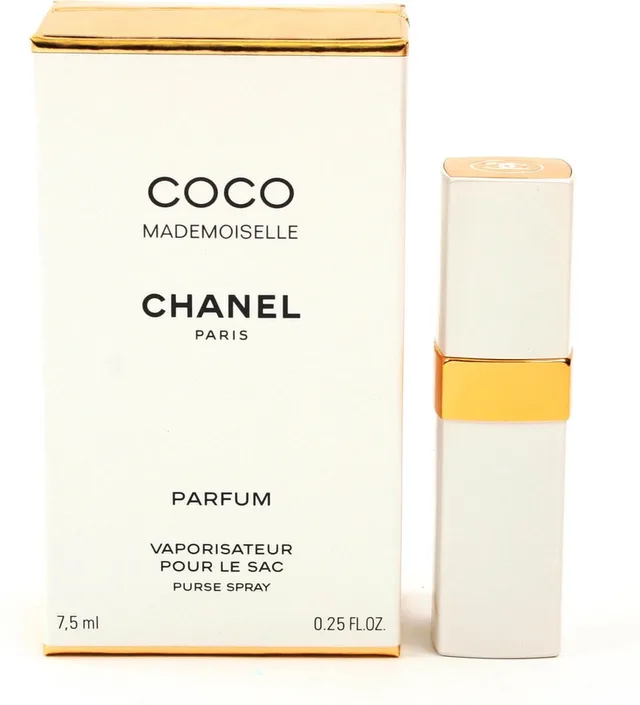
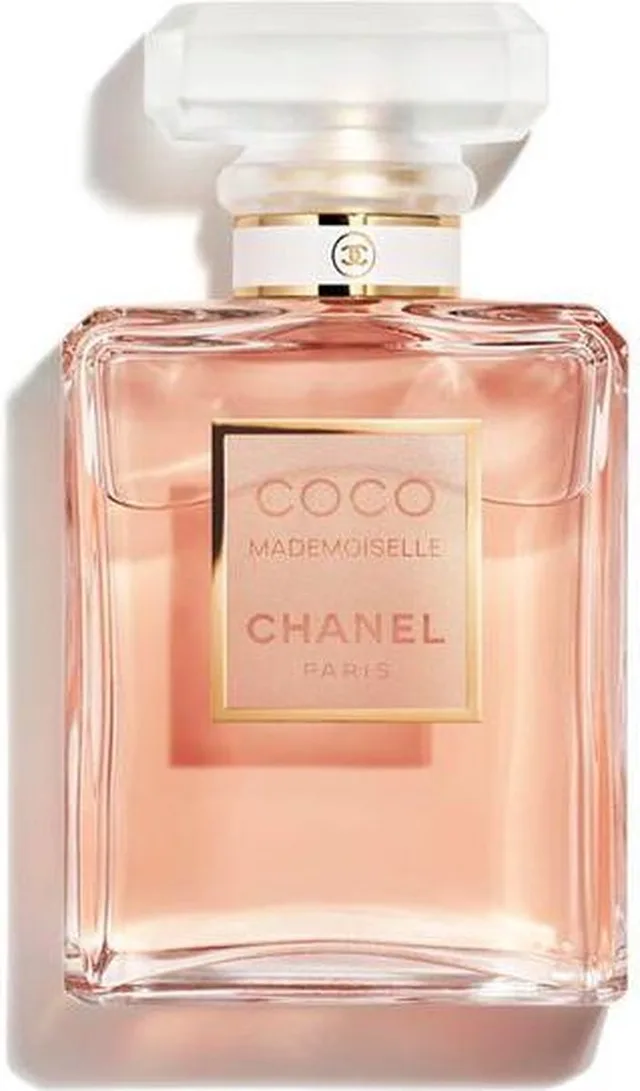
Coco Mademoiselle
€97.90
€279.71 / 100 ml · 1 offer
Woody
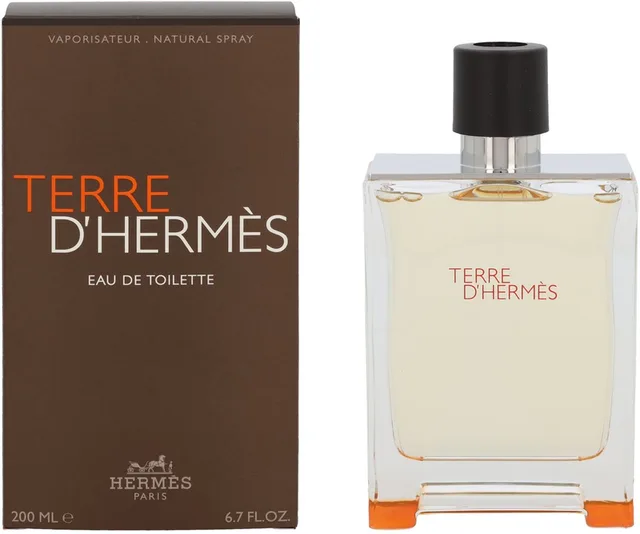
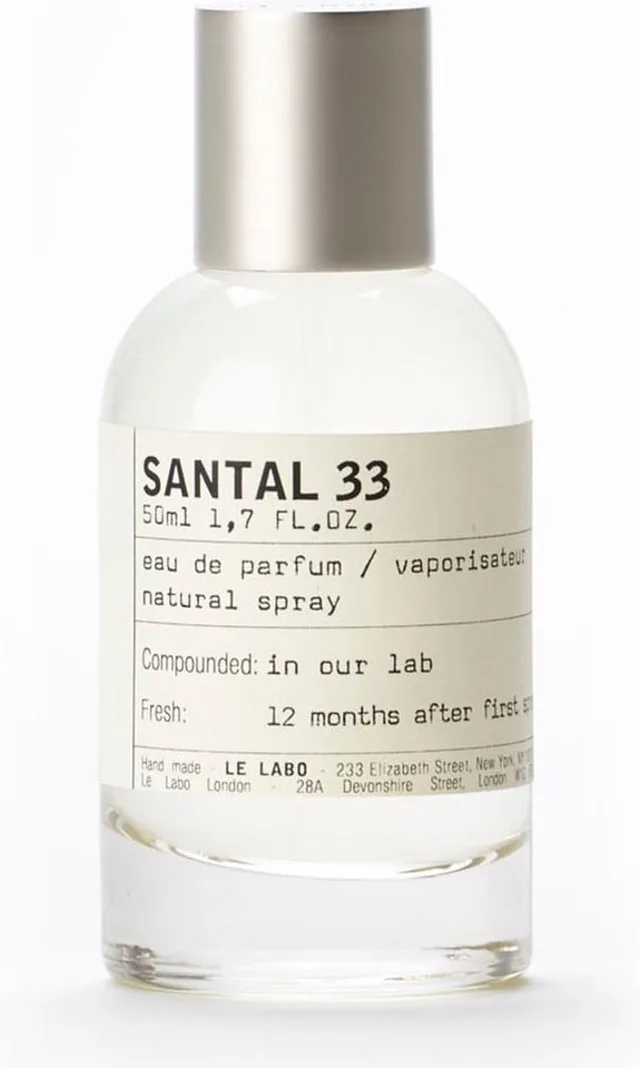
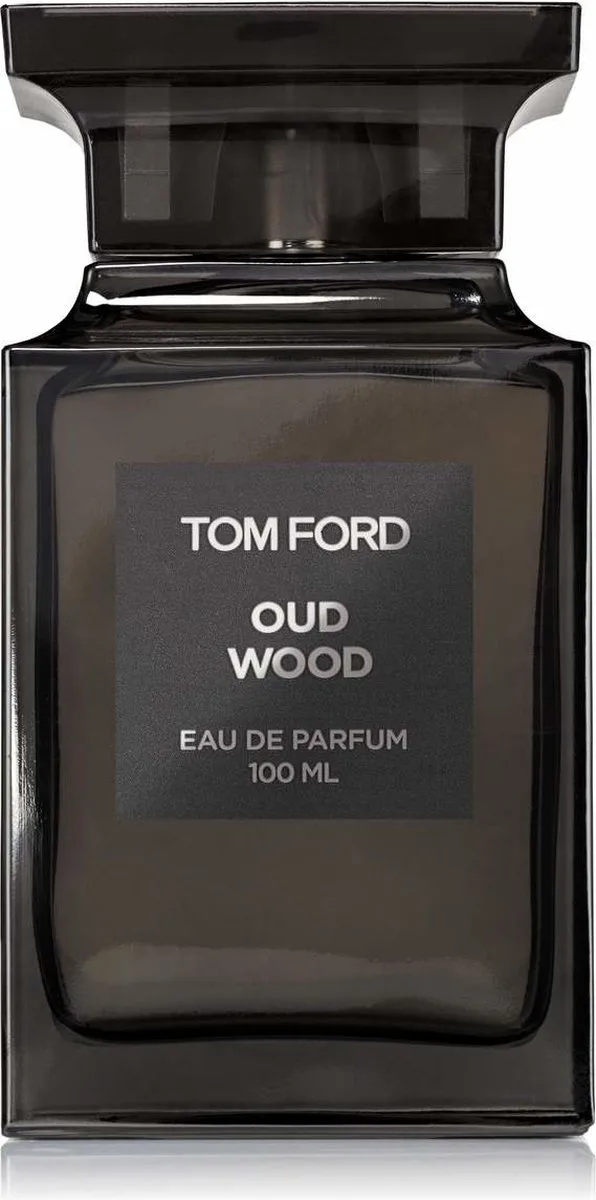
Woody revolves around sandalwood, cedar, vetiver and oud. Dry or creamy, and often calm. Think of Terre d’Hermès Eau de Toilette with orange and vetiver, or Le Labo Santal 33 with sandalwood and cedar. Tom Ford Oud Wood shows a soft, approachable side of oud.
Woody
- hermès · edt · 200 ml · men
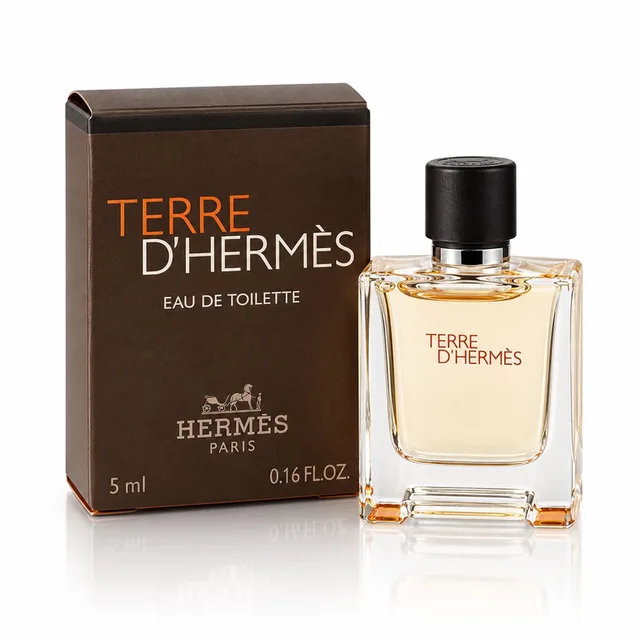
Terre d'Hermès
€104
€52 / 100 ml · 1 offer
- le labo · edp · women
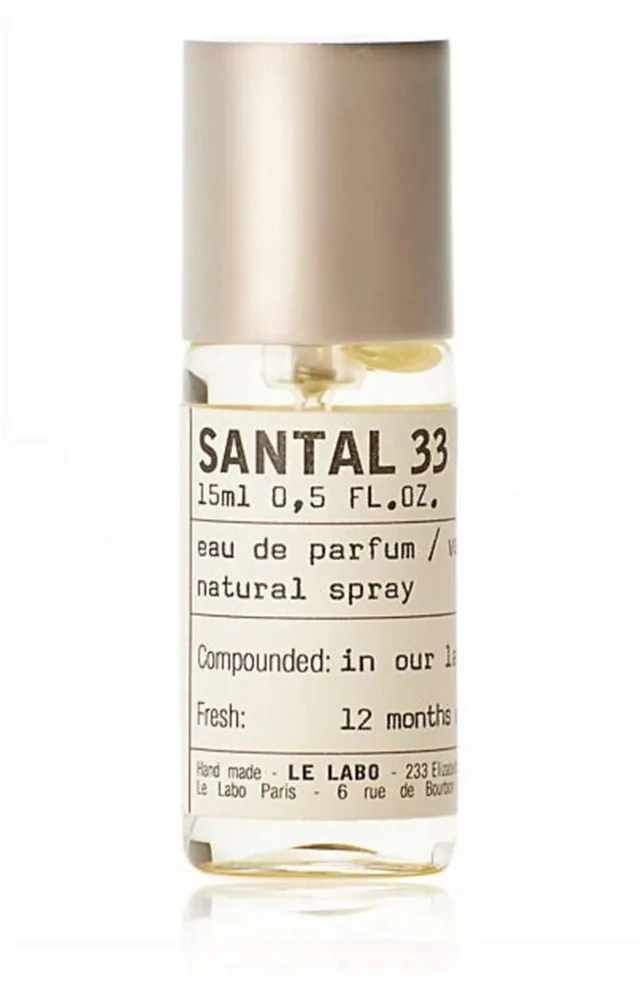
SANTAL 33
- tom ford · edp · 100 ml · unisex
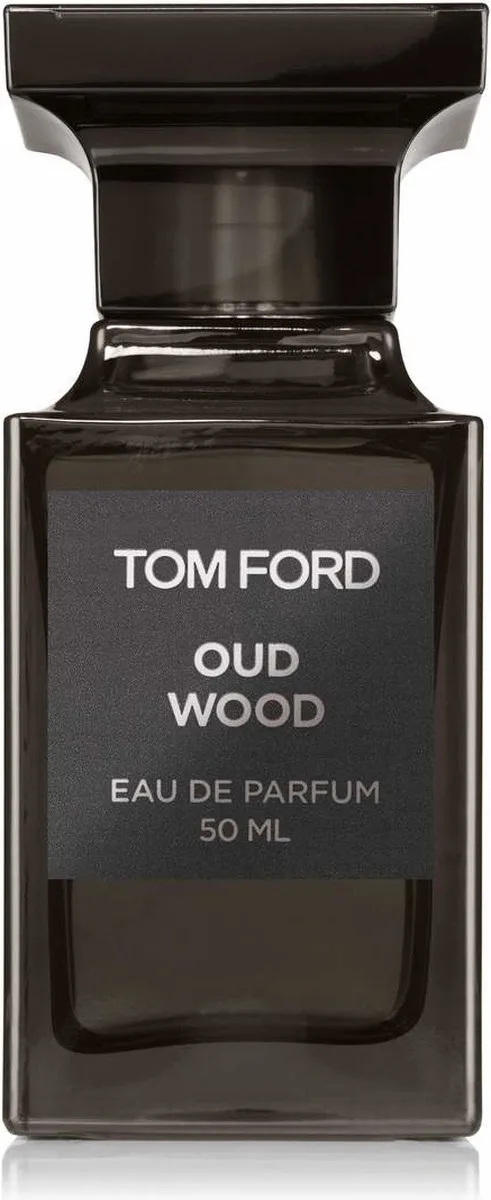
Oud Wood
From €208
€208 / 100 ml · 3 offers
Amber
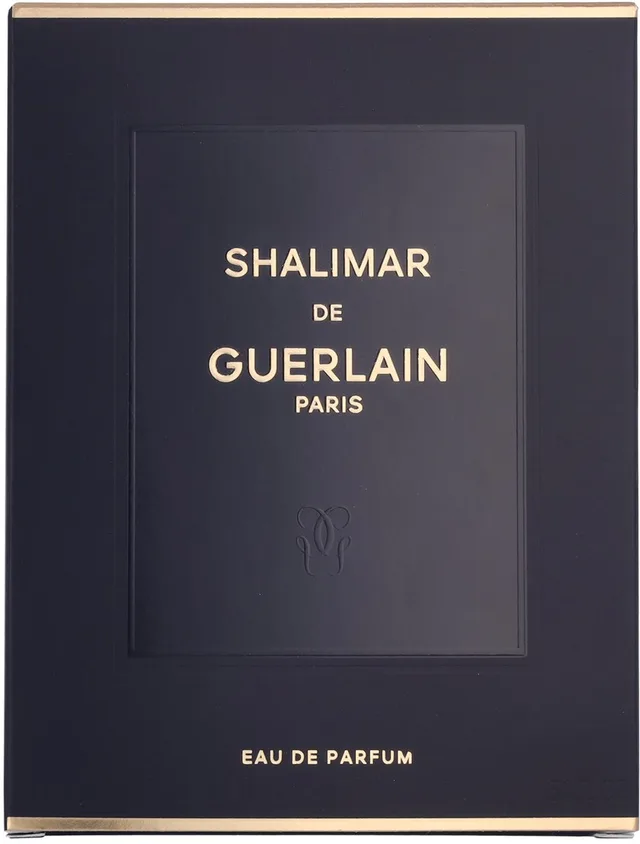
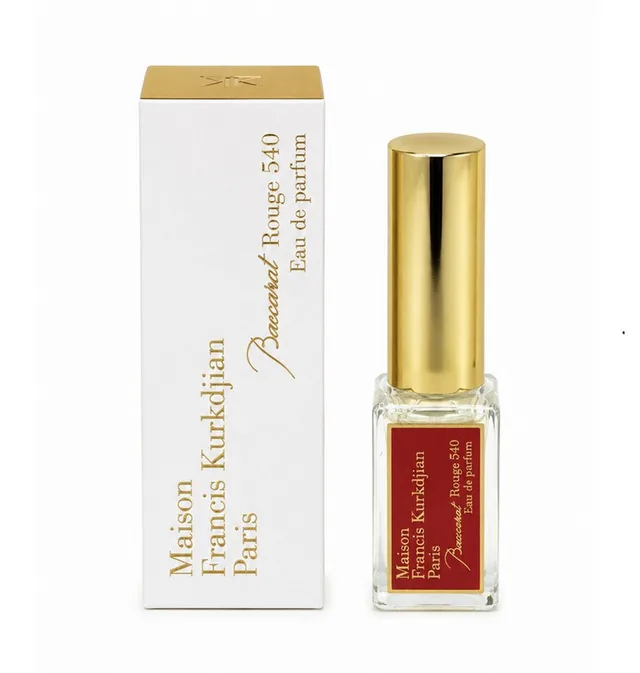
Amber is warm and rounded: resins, vanilla, spices, incense. Guerlain Shalimar Eau de Parfum from 1925 is a classic example. Maison Francis Kurkdjian Baccarat Rouge 540 is a modern, airy take.
Gourmand
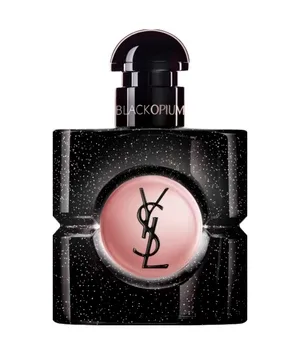
Gourmand smells edible: vanilla, caramel, coffee, praline. Mugler Angel Eau de Parfum from 1992 is often seen as the first modern gourmand. YSL Black Opium pairs coffee and vanilla with white flowers. See also our gourmand selection.
Amber and gourmand
- guerlain · edp · 30 ml · women
Shalimar
€72.87
€242.90 / 100 ml · 1 offer
- maison francis kurkdjian · edp · 5 ml · unisex
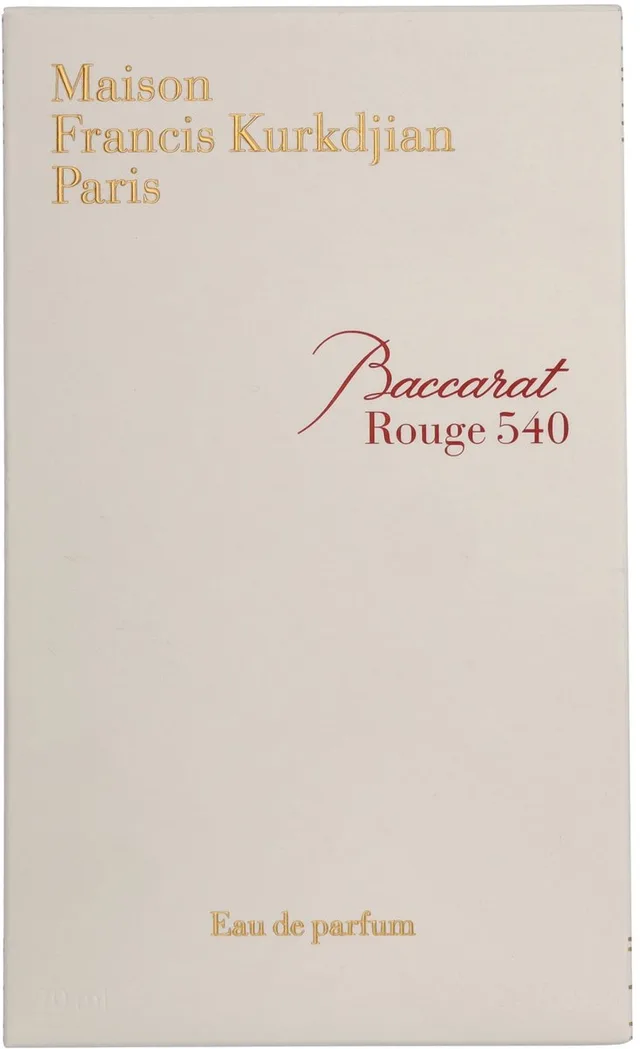
Baccarat Rouge 540
From €73.99
€1,479.80 / 100 ml · 3 offers
- mugler · edp · women
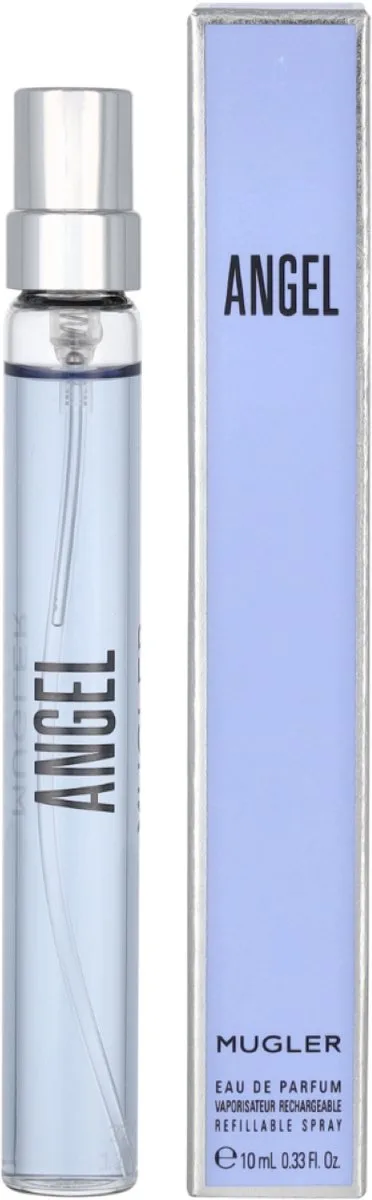
Angel
- yves saint laurent · edp · 30 ml · women
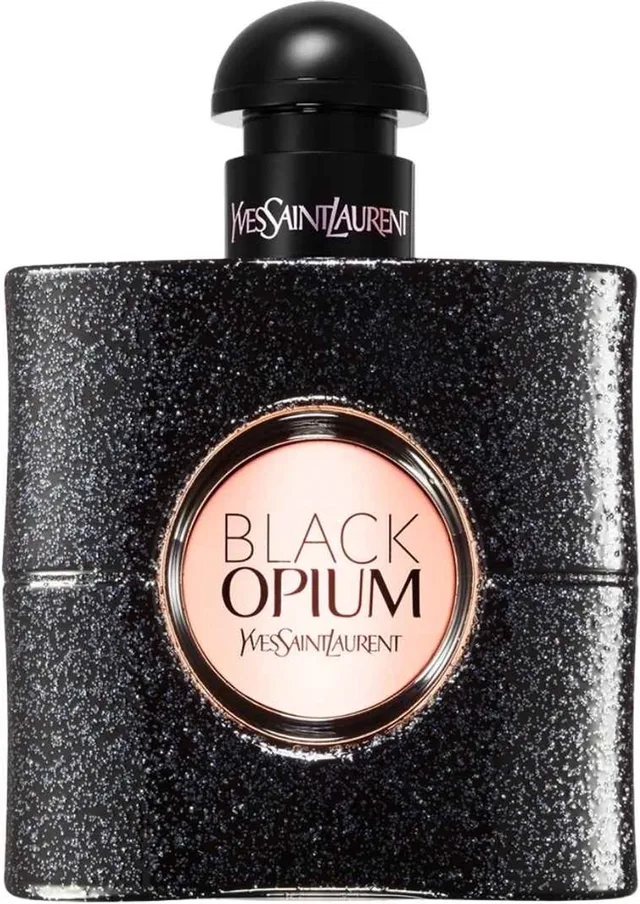
Black Opium
From €53.08
€176.93 / 100 ml · 7 offers
Aromatic
Aromatic is about herbs: lavender, rosemary, sage, basil. Dior Sauvage Eau de Toilette is aromatic with a fresh, peppery side. Azzaro Pour Homme Eau de Toilette is a classic fougère.


Older names: oriental, fougère and chypre
In older texts you’ll sometimes see different names.
- Oriental: the old name for what is now usually called amber. The term is falling out of use; the style is the same warm, spicy, vanilla-like one.
- Fougère: French for ‘fern’. A classic structure of lavender, tonka (or coumarin) and oakmoss. On Eaulie, fougères usually sit under aromatic.
- Chypre: a structure of bergamot on top and oakmoss and labdanum in the base. Elegant and somewhat dry. Chanel Coco Mademoiselle is often called a modern chypre, with patchouli instead of much oakmoss.
Scent families side by side
| Family | Typical notes | Feels like | When people often wear it |
|---|---|---|---|
| Fresh | citrus, sea air, green | light, clear, clean | daytime, office, summer |
| Floral | rose, jasmine, iris | soft to full, romantic | all year, day and evening |
| Woody | sandalwood, cedar, vetiver | calm, dry or creamy | all year, often autumn |
| Amber | resins, vanilla, spices | warm, rounded, enveloping | evening, autumn and winter |
| Gourmand | vanilla, caramel, coffee | sweet, cosy | cold days, evening |
| Aromatic | lavender, rosemary, sage | herbal, fresh, groomed | everyday, office, sport |
These are habits, not rules. If you’re shopping by season, look at fragrances for summer or fragrances for winter.
How to read and use notes
A note list is marketing, not a recipe. ‘Sea salt’ or ‘rain’ is an impression, built with synthetic materials.
Practical tips:
- Start with what you already like. See which family that scent belongs to and look further there. Our guide how to choose a perfume takes you through it step by step.
- Test on your skin, not just on paper. Wait at least an hour before you judge, so you smell the heart and base too.
- Pay attention to the base notes. You smell them the longest. If you don’t like the base, a lovely opening won’t help much.
- Check the concentration. The same name can smell different as EDT and EDP. Read the difference between EDT and EDP.
- Try small. A sample or mini saves you a bad buy. See testers, minis and gift sets.
Synthetic and natural
Almost every perfume contains both natural and synthetic materials. That’s normal, and has been for over a century. Some notes don’t exist as a natural oil, such as lily of the valley or most musks. Others are expensive or scarce, such as iris or real oud.
‘Natural’ isn’t automatically gentler on your skin: essential oils can contain allergens too. And ‘synthetic’ isn’t less beautiful. If your skin is sensitive, test a small patch first.
Common mistakes
- Buying on the first impression. The top notes are gone after half an hour.
- Testing too many scents at once. After three or four you hardly notice differences any more.
- Thinking a family belongs to women or men. There are fresh women’s fragrances and floral men’s fragrances, and more and more unisex fragrances.
- Taking the note list literally. ‘Fig’ or ‘leather’ on the box doesn’t mean it smells strongly of it.
- Choosing by brand alone. One brand, such as Dior or Chanel, makes fragrances from completely different families.
Frequently asked questions
What are top, heart and base notes?
You smell top notes in the first 5–30 minutes, heart notes for a few hours after that, and base notes linger the longest. Together they’re called the fragrance pyramid.
Which scent family suits me?
Look at scents you already like. They often belong to the same one or two families. The scent families page shows the well-known fragrances in each family.
What’s the difference between amber and oriental?
There’s no difference in style. ‘Oriental’ is the older name; more and more brands and websites now say ‘amber’.
Are synthetic fragrance materials bad?
No. Almost every perfume uses them, and many familiar notes only exist as synthetic materials. Natural isn’t automatically better or gentler.
Why doesn’t every fragrance on Eaulie have a family?
We only assign a family when a fragrance’s family is widely known. If in doubt, we’d rather leave it out than guess.
Eaulie doesn’t test perfumes itself. This guide is general information; what you like is up to you.
Popular fragrances for this
By popularity, with today’s lowest price.
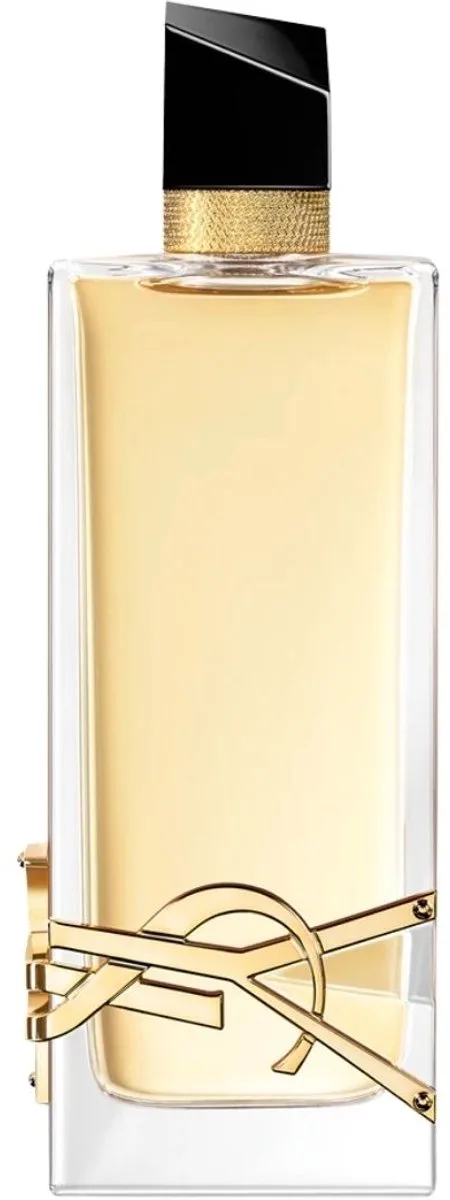
- yves saint laurent · edp · 30 ml · women
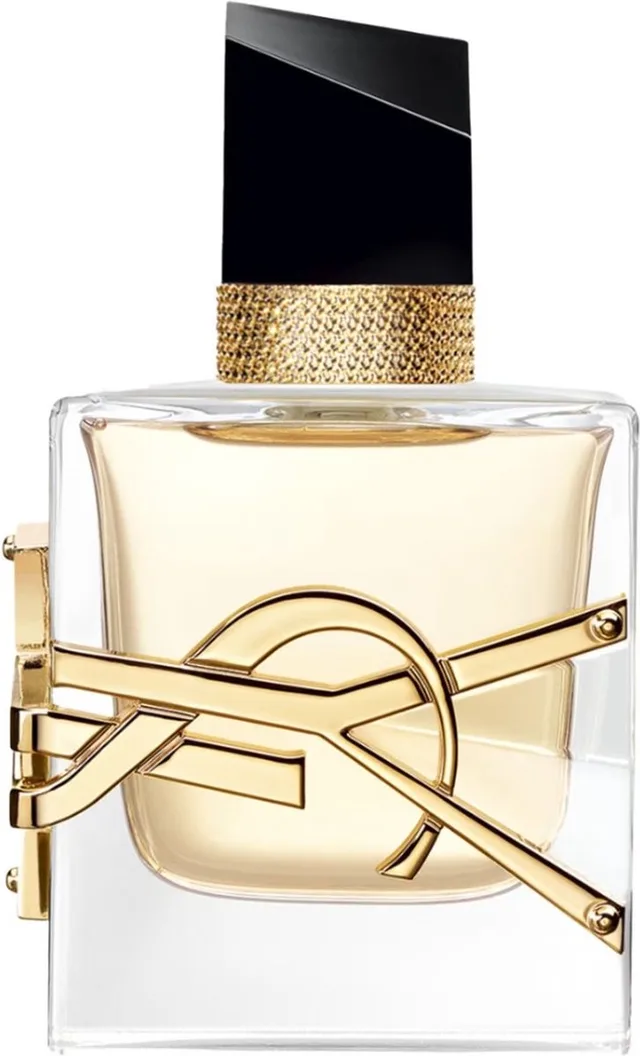
Libre
From €89.94
€299.80 / 100 ml · 5 offers
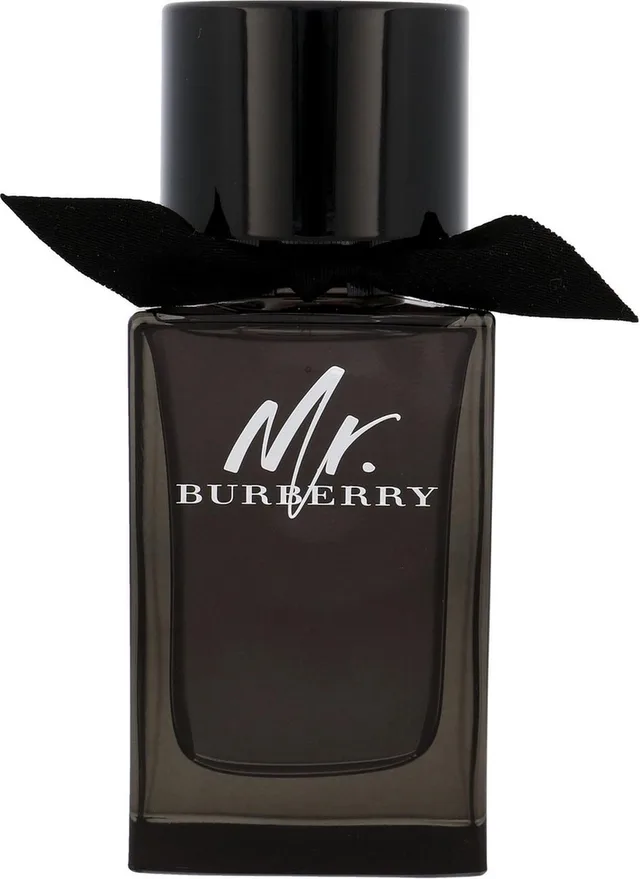
- burberry · edp · 100 ml · men
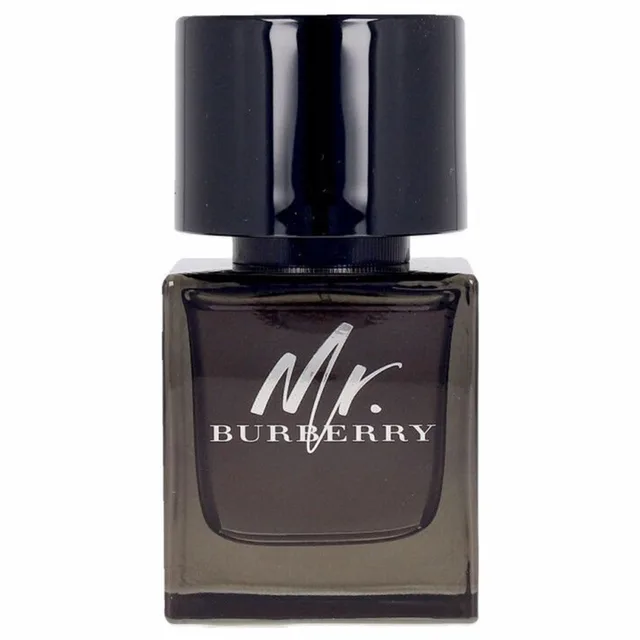
Mr. Burberry
From €52.50
€52.50 / 100 ml · 3 offers
- calvin klein · edt · 50 ml · unisex
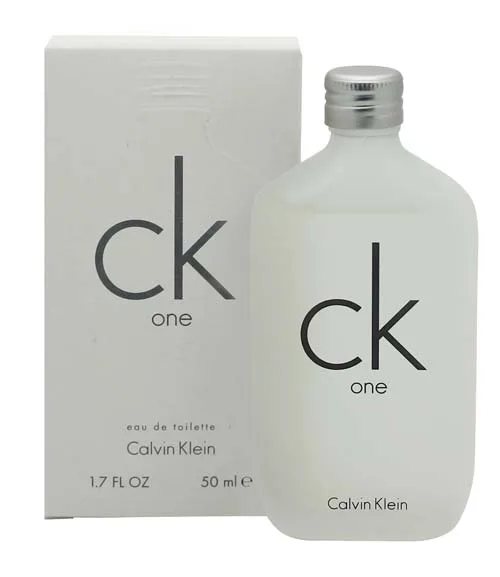
CK One
From €21.05
€42.10 / 100 ml · 4 offers
- yves saint laurent · edp · 30 ml · women
Black Opium
From €53.08
€176.93 / 100 ml · 7 offers
- giorgio armani · edt · 50 ml · men
Acqua di Gio
From €61.50
€123 / 100 ml · 6 offers
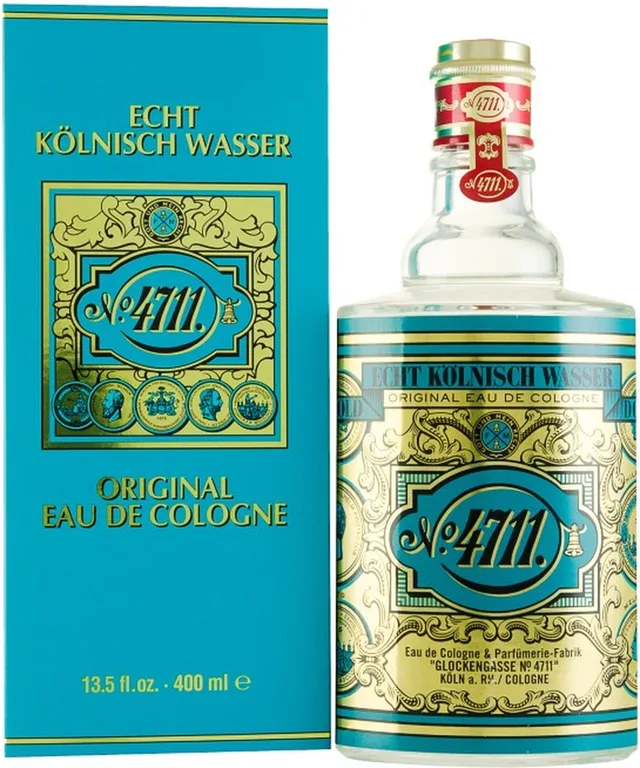
- 4711 · edc · 150 ml · unisex
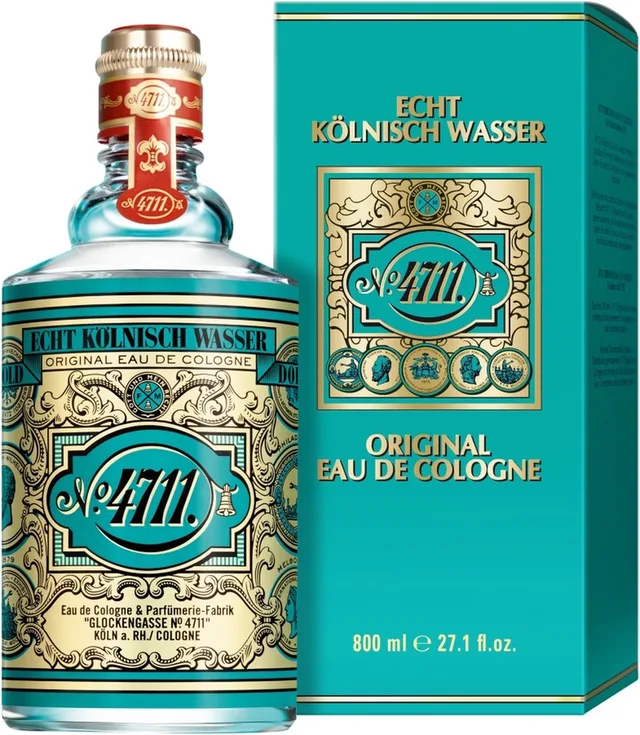
Original
From €21.78
€14.52 / 100 ml · 2 offers
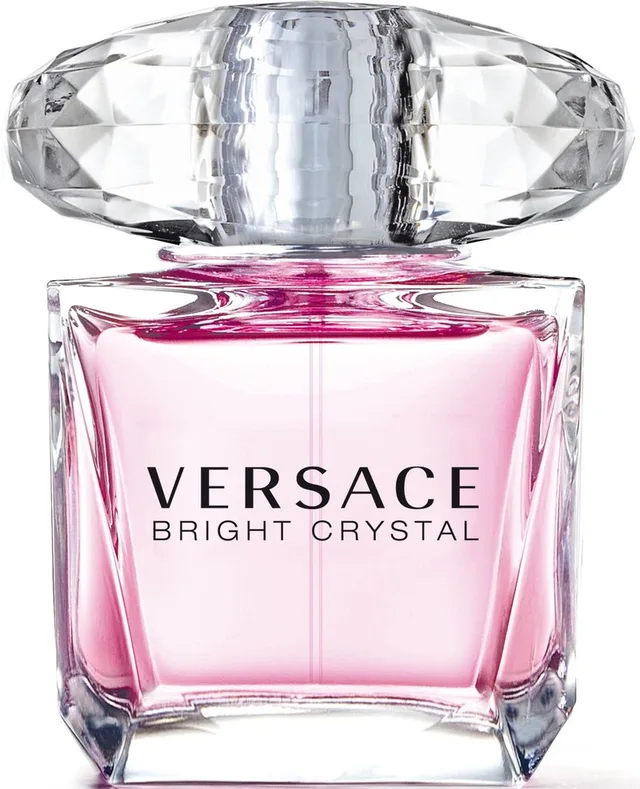
- versace · edt · 30 ml · women
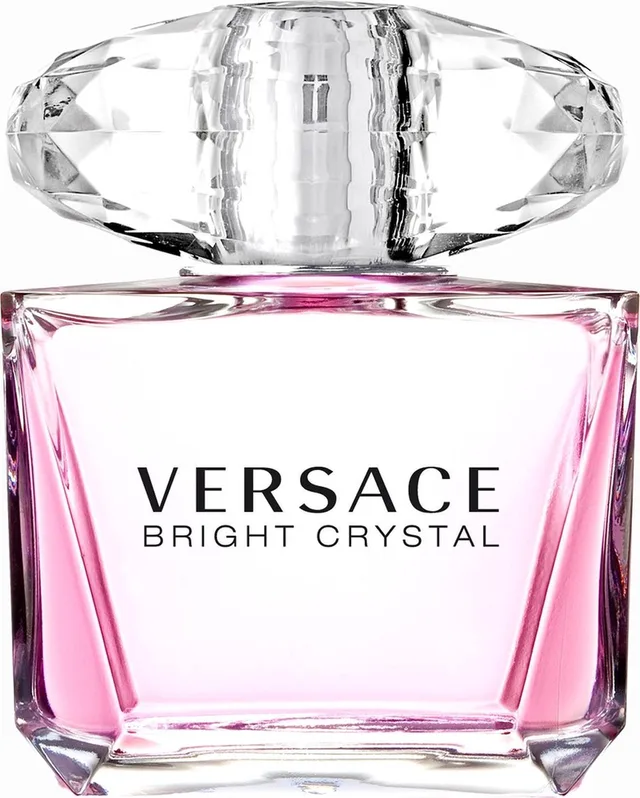
Bright Crystal
From €49.80
€166 / 100 ml · 6 offers
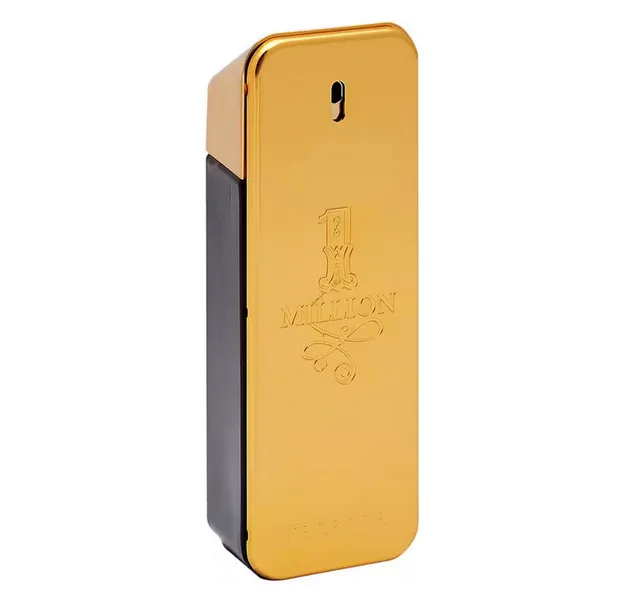
- rabanne · edt · 100 ml · men

Paco 1 Million
From €69.99
€69.99 / 100 ml · 4 offers